
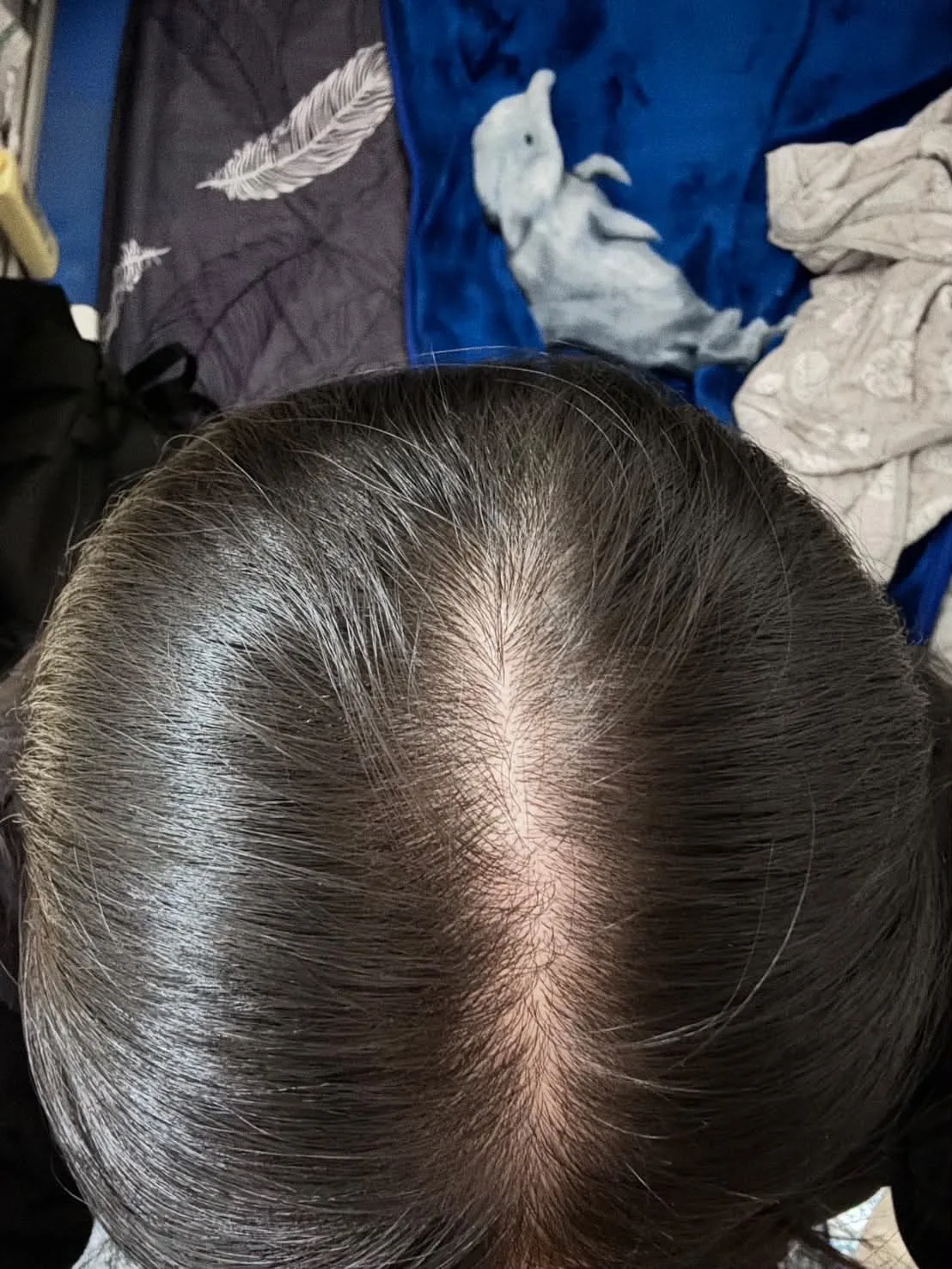
1. Female-pattern hair loss
A widening part and finer hairs can indicate female-pattern hair loss. A dermatologist can assess evidence-based options such as topical minoxidil.
2. Iron or protein deficiency
Restrictive diets, heavy periods and inadequate nutrition may contribute to shedding. Seek medical evaluation before taking high-dose iron.
3. Stress-related shedding
Major stress, illness, surgery or rapid weight loss may trigger telogen effluvium, often noticeable two to three months later.
4. Postpartum changes
Hormonal changes after delivery can cause temporary shedding. Persistent symptoms warrant evaluation for other causes.
5. Thyroid and hormonal conditions
Thyroid disorders and some hormonal conditions can affect hair. Discuss associated fatigue, menstrual or weight changes with a clinician.
6. Tight hairstyles and styling
Repeated traction from tight hairstyles can damage follicles. Reduce pulling and excessive heat.
7. Scalp inflammation
Pain, redness, scarring or patchy hair loss deserves prompt medical assessment.
Practical next steps
Track changes, maintain balanced nutrition, reduce damaging styling and seek diagnosis-based care. Supplements are not a replacement for treatment.
References and further reading
- American Academy of Dermatology — Hair loss causes
- American Academy of Dermatology — Hair loss treatment
- NIH Office of Dietary Supplements — Biotin
- USDA FoodData Central — Food nutrient database